Patient Library
Choose a topic or
Search the library
Advice for dealing with bleeding blood feathers, which also applies to bleeding nails
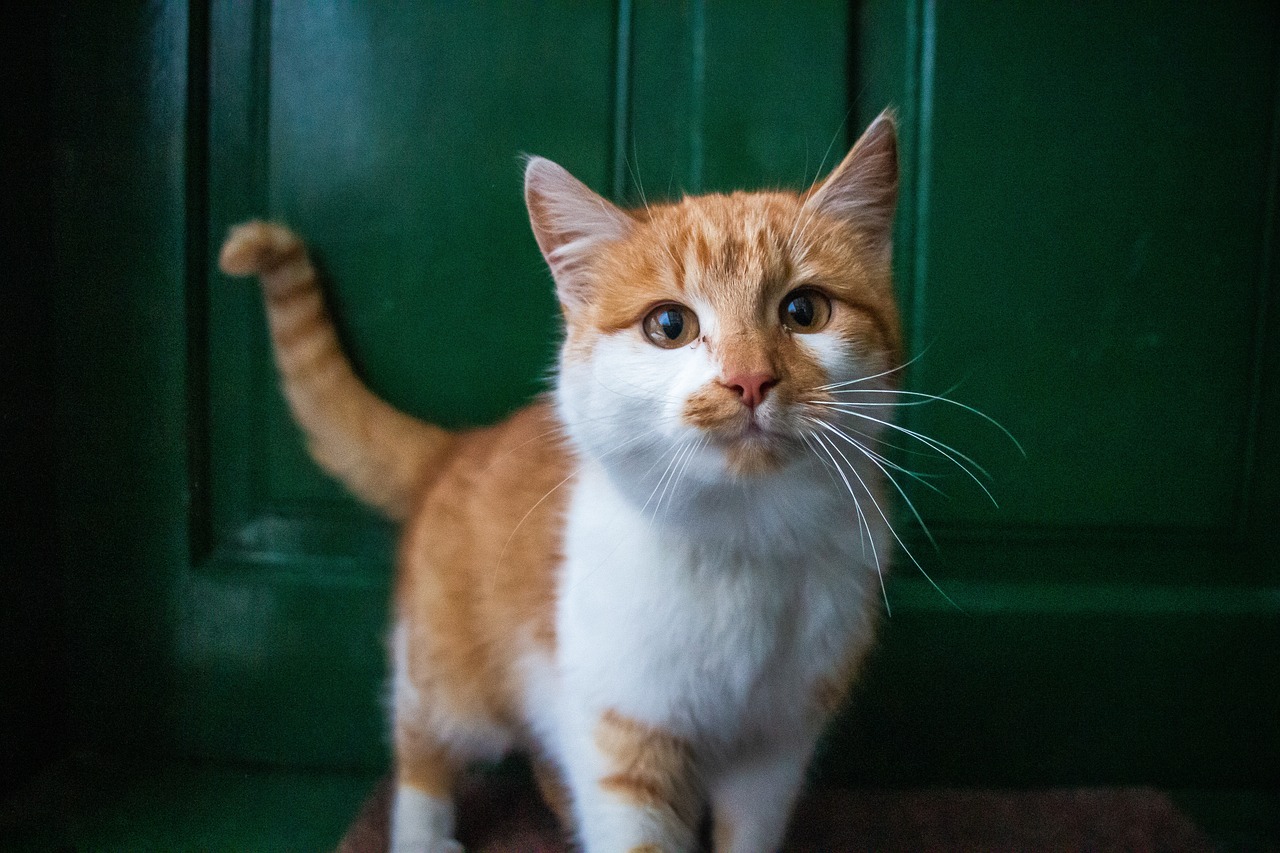
Key things to know and do when keeping cats or ferrets, including tips on diet, exercise, enrichment, microchipping and general health

Pet passport or Animal Health Certificate? It's complicated.
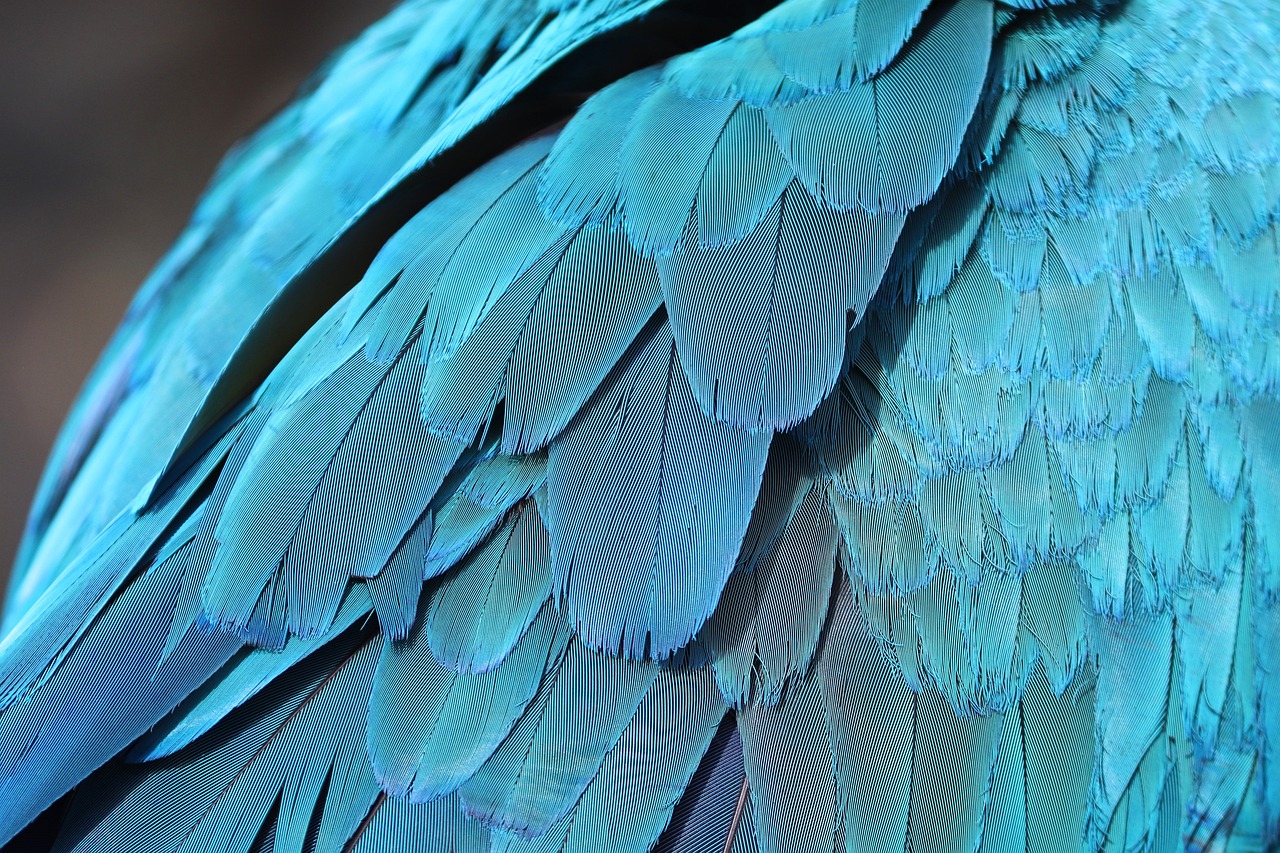
Psittacine beak and feather disease (PBFD) is a disease of parrot species that is lifelong and carries wide implications for the health of the affected bird, as well as those sharing the environment both at the time and in the future.

Answers to questions you may have about pet euthanasia and how we can help
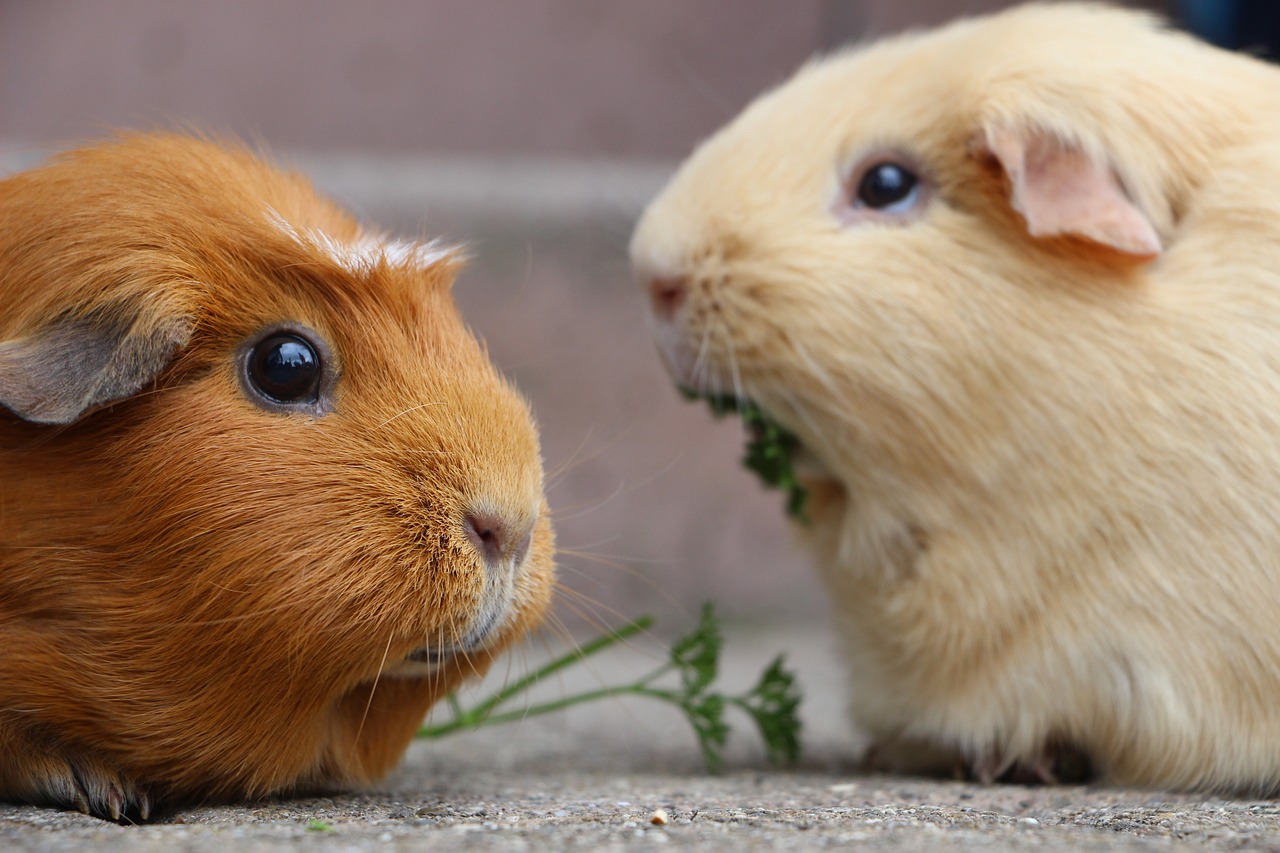
Guinea-pigs are completely herbivorous and need a diet high in Vitamin C. All you need to know about creating the best diet for your guinea-pigs.
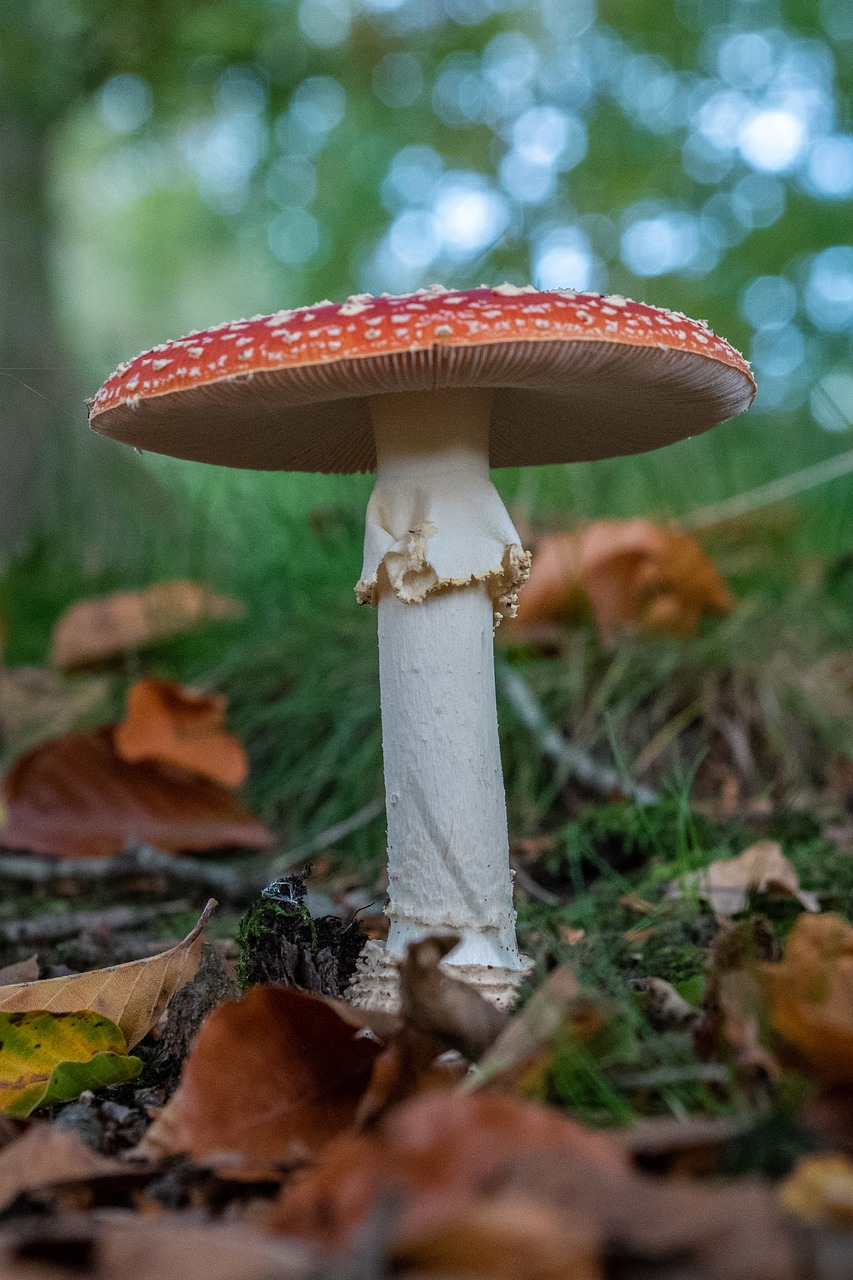
Signs and symptoms of poisoning, common toxins and what to do if you think your pet has been exposed to a poison
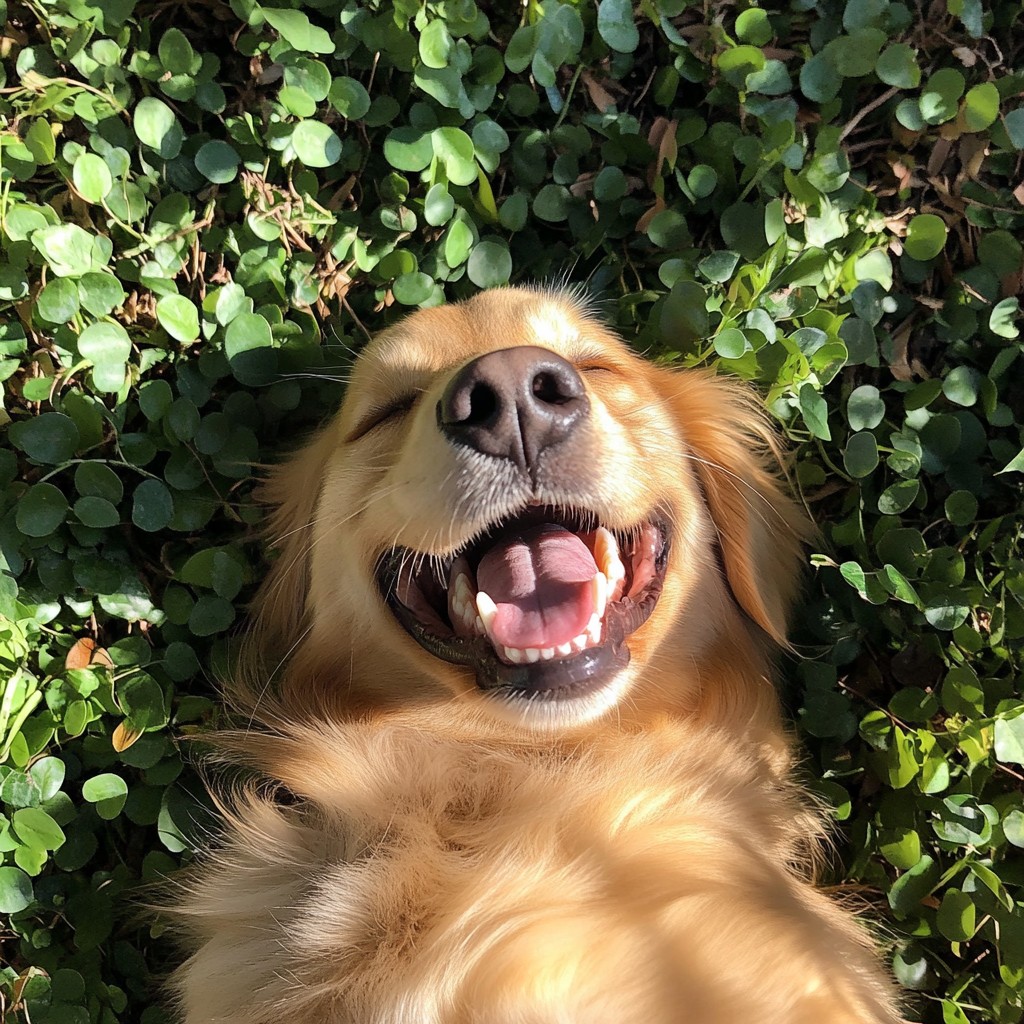
Why brushing it's important to brush your pet's teeth, and how to go about it
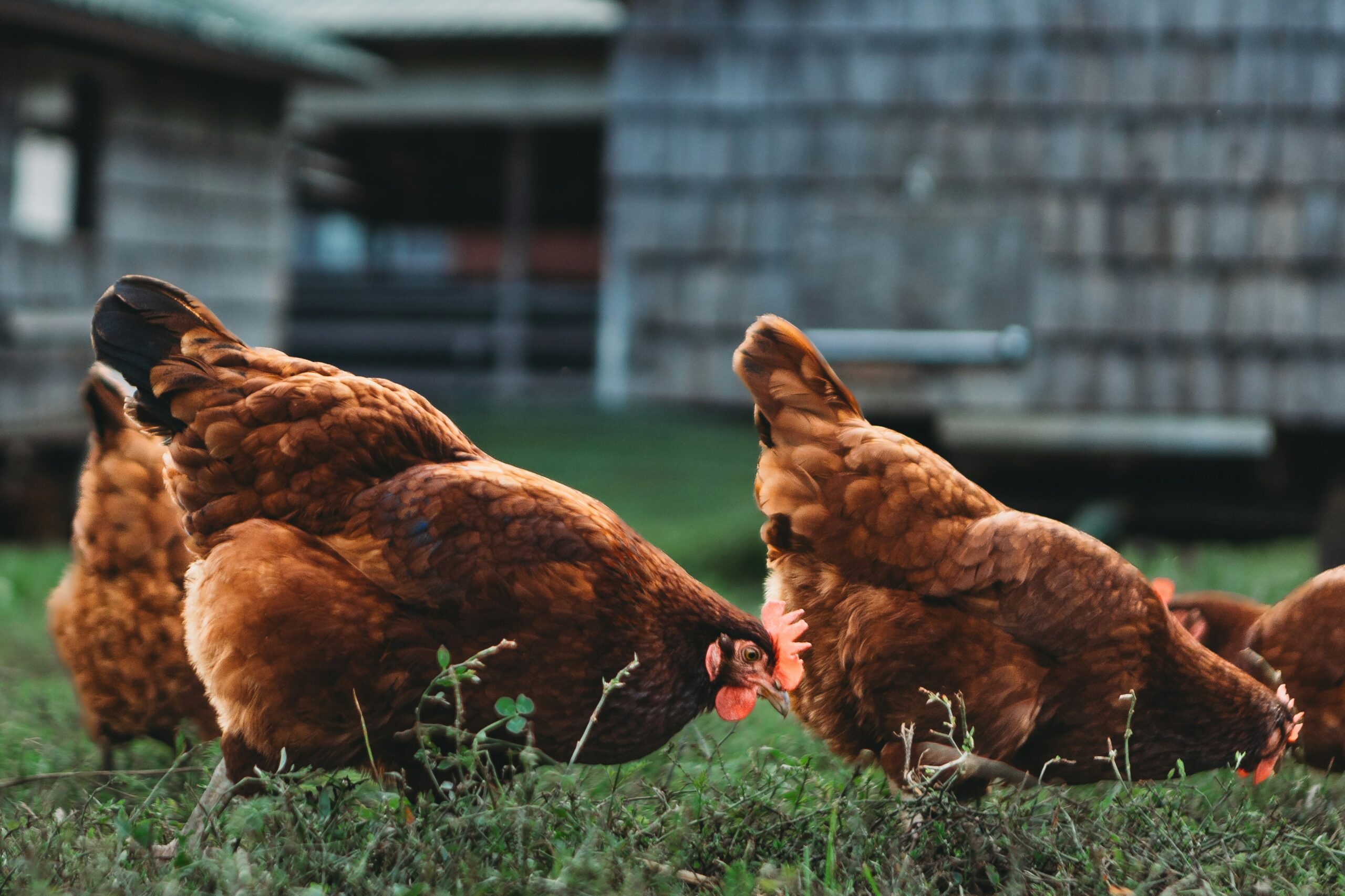
C. albicans can be a primary gastrointestinal pathogen, especially in finches, but it is more frequently secondary to another problem.
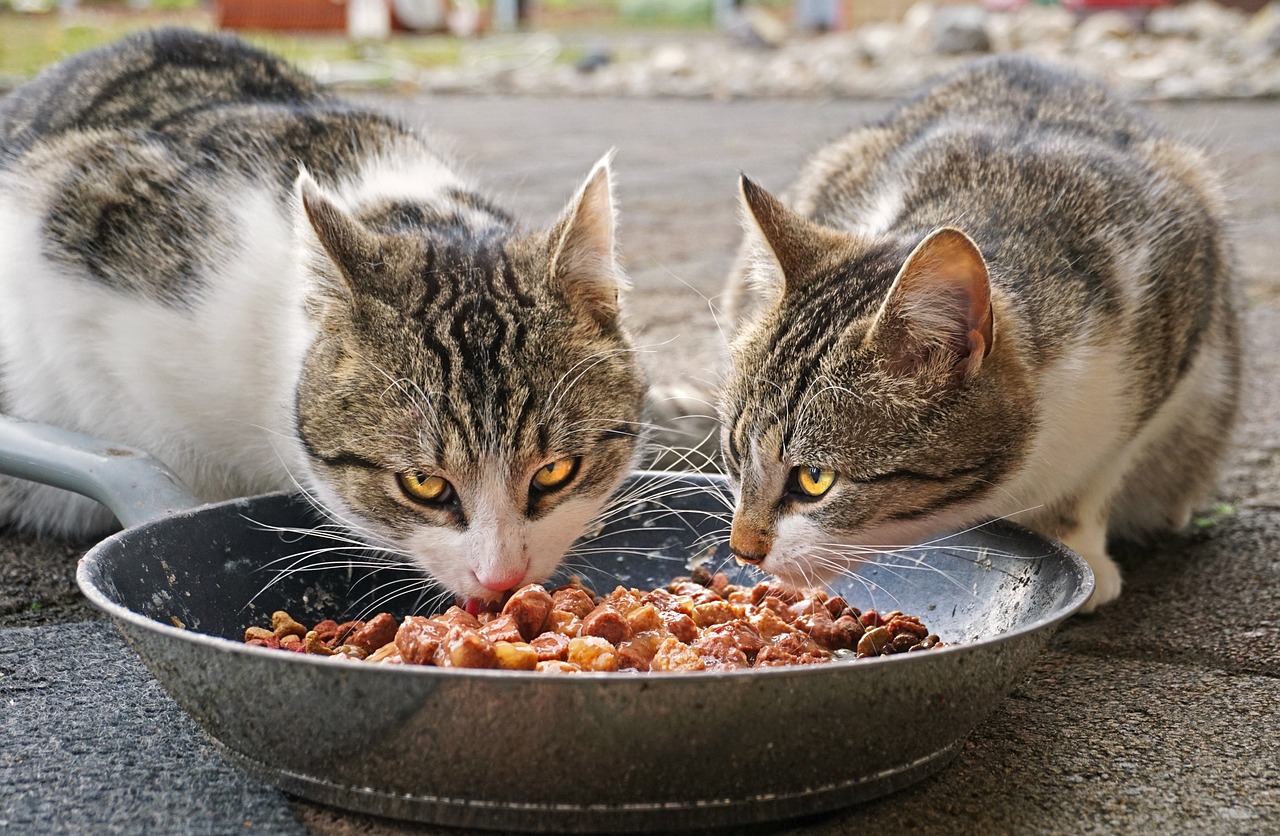
Providing your cat a balanced diet is vital in maintaining its overall health. What should it include?

For most eye injuries, it is recommended that you seek veterinary care as even minor injuries can lead to loss of vision. However, there are steps you can carry out at home to provide first aid or treat simple problems (such as dirt in the eyes).
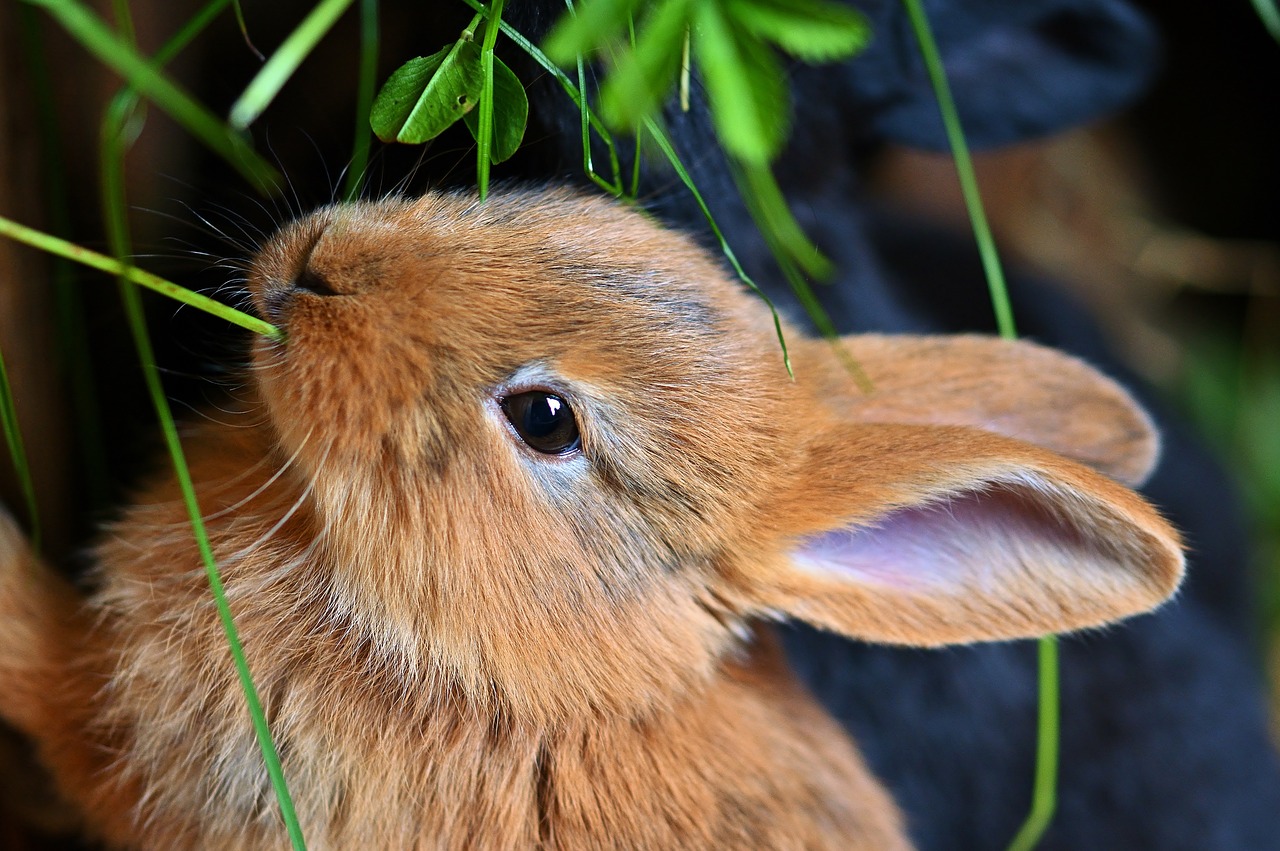
Rabbits are particularly vulnerable to disease resulting from incorrect feeding. So here's what you need to know.
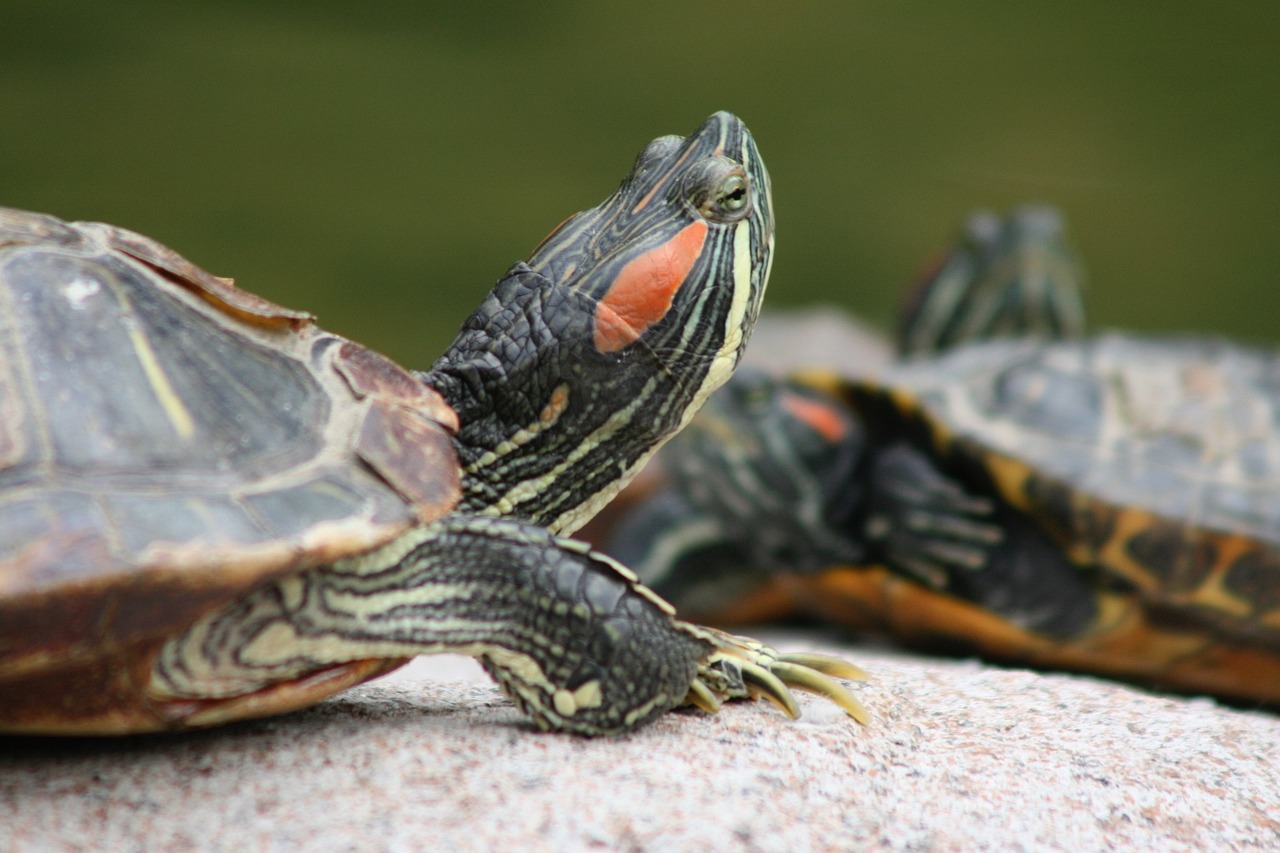
All the basic information you need to have happy and healthy terrapins and turtles